Why climate action needs rhetoric to turn into plans, progress and policy
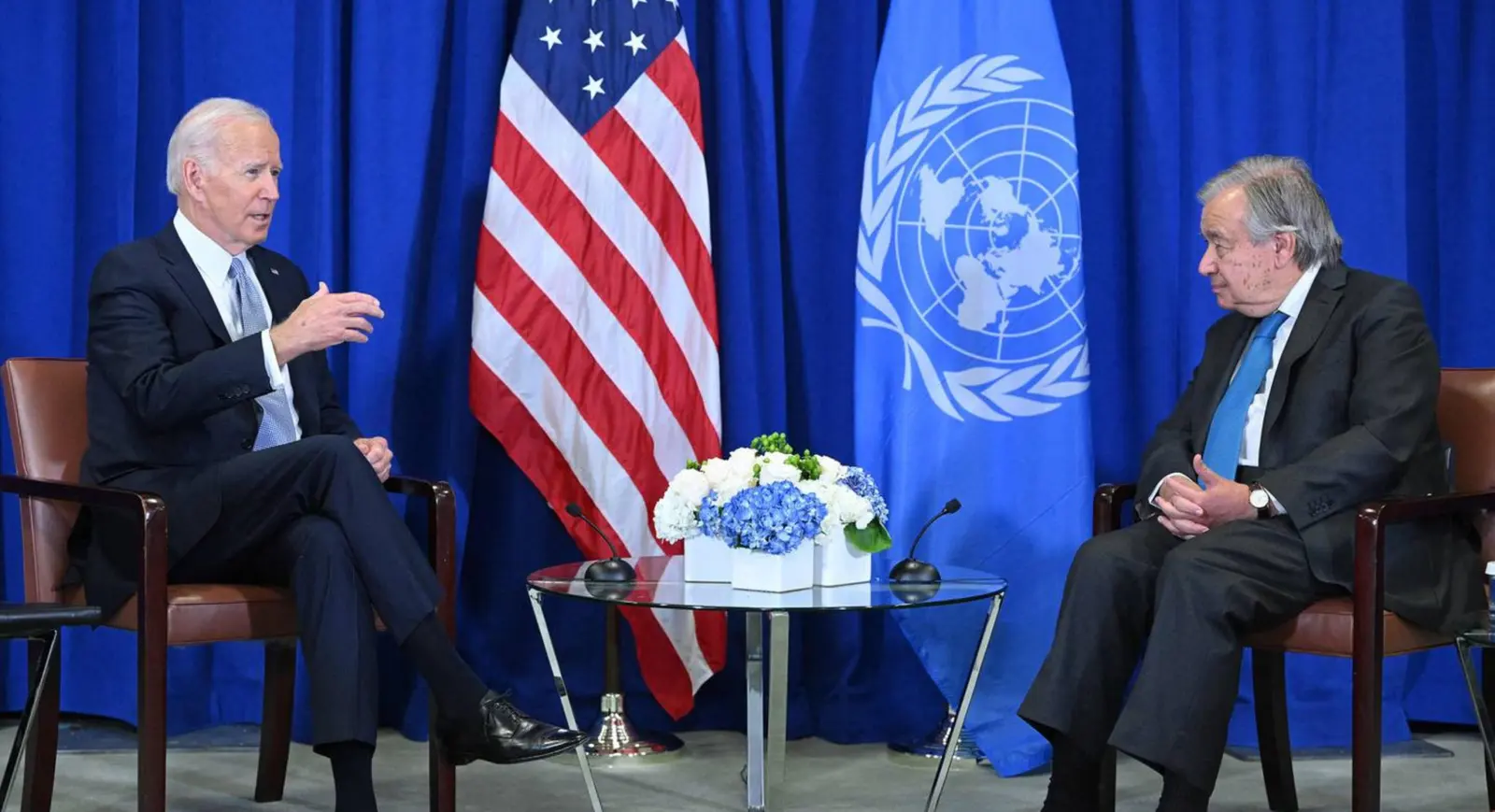
As the world’s leaders gather in New York for the U.N. General Assembly this week, the US has said it will be delivering a message many thought was not possible a few years back: to cut greenhouse gas emissions in half by 2030 and reach net-zero by 2050.
Sounds like something we’ve already heard countless times doesn’t it, but it represents a pretty radical shift for the world’s largest economy. During the Trump administration, science was pretty much thrown out the window and the country backed out of the Paris climate agreement.
Today, the private sector (at least in theory) no longer sees climate action as a source of job losses, but rather as an opportunity for job creation and economic revitalisation. Congress seems to be reluctantly agreeing too.
But…it still feels like there’s a big “however” that’s lingering just around the corner. Virtually every summit, convention, and/or gathering of the world’s major players in recent years has been plagued by copious amounts of rhetoric coupled with little-to-no action:
1. Emission reductions and targets are no where near being met.
2. Funding for developing nations has yet to materialise.
3. A shift away from fossil fuel-dependency has gone into reverse, with a recent rebound towards the good-old-stuff as nations look to shore-up energy sovereignty.
The list goes on. A statement of intent is good — governments and businesses must communicate what they are going to do in order to be held account. But that also needs to translate into plans, policy, and progress. Without it, we’re just kidding ourselves.
You can read more over at the FT here.