Meet the women shattering stereotypes to save Indonesia’s rainforests
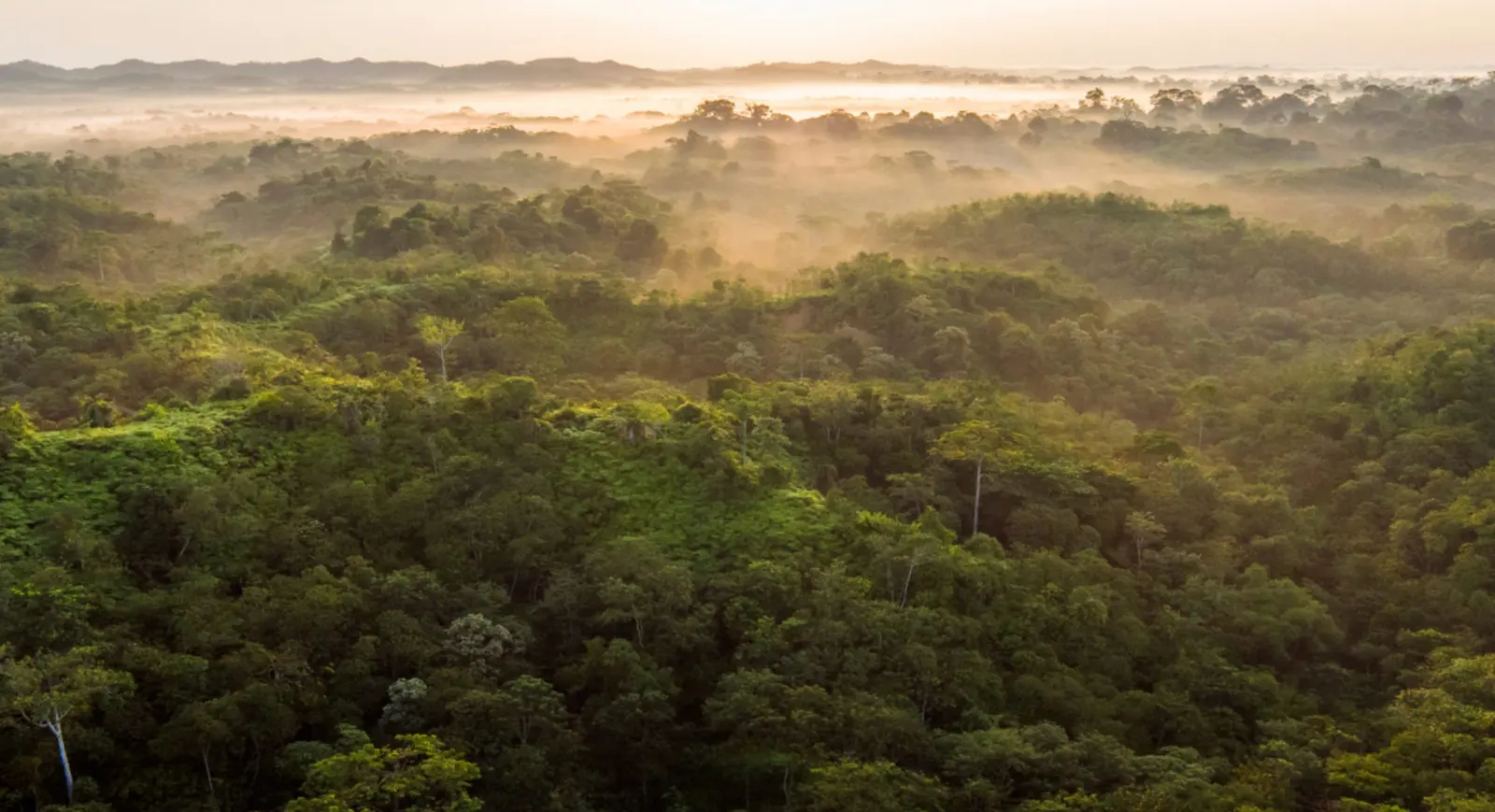
In the verdant depths of Indonesia’s Aceh Province, a remarkable narrative unfolds—a tale of resilience, courage, and environmental stewardship.
Here, in the shadow of the Burni Telong volcano, a group of determined women are redefining the traditional role of forest guardians. They are the vanguard of a quiet yet profound revolution, challenging entrenched norms and battling against the relentless tide of deforestation.
Among them is Asmia; a figure emblematic of this new breed of environmental defenders. Navigating the treacherous cliffside paths of the Leuser ecosystem on her motorbike, she is a study in balance and determination. Asmia and her fellow rangers, predominantly women, form a shield protecting their village forest against those who threaten its integrity.
This forest, part of the vast Leuser ecosystem sprawling over 6.5 million acres on the island of Sumatra, is more than just a collection of trees and wildlife. It is a cradle of biodiversity; a refuge for endangered species like orangutans, elephants, rhinos, and tigers.
It is also the homeland of the rangers, deeply interwoven with their cultural identity and survival.
The women rangers of Damaran Baru, Asmia’s village, face formidable challenges. Squatters, lured by the prospect of fertile land or lucrative timber, pose a constant threat. Yet, the rangers confront these encroachers not with force, but with dialogue and persuasion. They embody a novel approach to environmental protection—one rooted in community engagement and understanding.
As much as these women are guardians of the forest, they are also its beneficiaries.
The ecosystem they protect is a source of life, providing water, food, and shelter. It is a buffer against natural disasters, a fact painfully underscored by the 2015 flash flood that devastated Damaran Baru and neighbouring villages. Asmia’s own home lay precariously close to the flood’s path and cemented her resolve to safeguard her environment.
In the aftermath, the women of Damaran Baru, tired of living under the constant threat of environmental destruction, resolved to take matters into their own hands. They sought to become rangers, protectors of the land that had nourished their community for generations. However, their path was fraught with societal and cultural obstacles.
Aceh’s patriarchal culture, compounded by the implementation of Shariah law, typically relegates women to diminished roles. Being a ranger—a role traditionally seen as a man’s job—was not only unconventional but taboo.
Yet, these women were undeterred. They saw their connection to the land as transcending societal norms. Their fight was not just for the environment but for their right to protect it.
After months of tenacious advocacy, the village leaders relented, and the Mpu Euteun (translating as “Guardians of the Forest”) initiative was born. This marked a significant shift in the community’s perception of women’s roles and their capabilities as environmental stewards.
The rangers’ work goes beyond mere patrolling. They are the custodians of local wisdom and natural remedies, reconnecting with the knowledge passed down through generations. Their connection to the forest is not just physical but spiritual; an intricate bond forged through time and tradition.
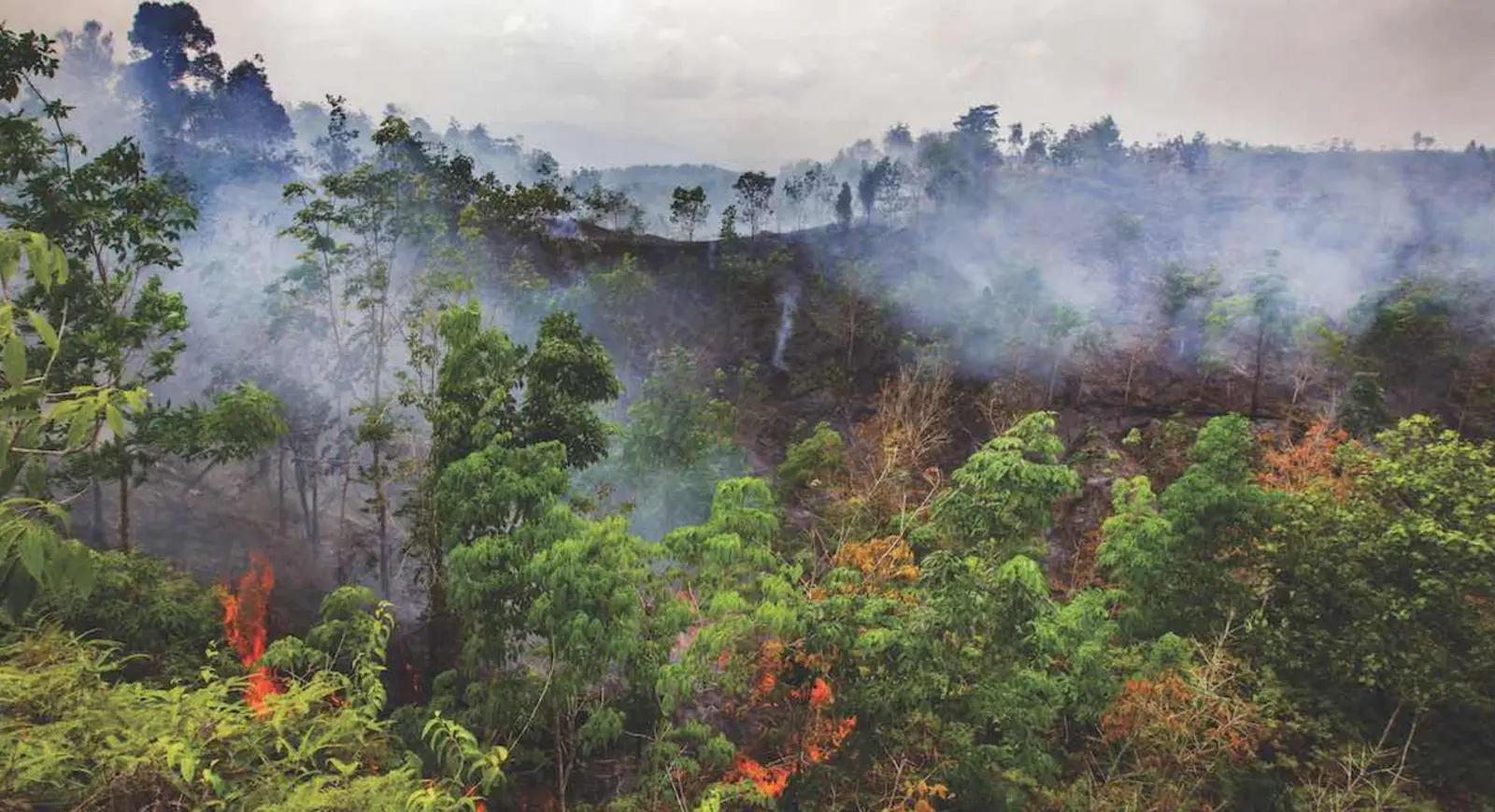
Recognising the importance of their mission, the Forest, Nature, and Environment Aceh Foundation assisted the Mpu Euteun in obtaining a Village Forest permit from the Ministry of Environment and Forestry. This permit was a game-changer, empowering the villagers to legally protect and manage 620 acres of forest. It transformed their role from passive observers to active defenders, a shift that has had tangible impacts on the ground.
Since the inception of the Mpu Euteun, the frequency of encounters with squatters has significantly decreased. The rangers’ approach which blends firmness with empathy, has proven effective. They engage with trespassers not as adversaries but as members of the community, often known to the rangers. This approach of dialogue over confrontation, understanding over aggression, has yielded positive results.
For many of the women, acting as custodians of the forest is more than a job, offering a liberation from the confines of their traditional roles. It is an assertion of their independence and capabilities. The forest, for them, is a space of empowerment, a place where burdens are lifted, and spirits are buoyed. Their laughter, blending with the symphony of the forest, is a testament to their newfound confidence and joy.
Their efforts are not just guarding against human threats either. A large part of the role is to actively contribute to the forest’s health—clearing debris from rivers, planting trees, and monitoring wildlife. The work is a holistic approach to environmental stewardship that acknowledges the interconnectedness of all elements within the ecosystem.
As night falls each day, and the rangers camp out in the heart of the forest, there is a sense of camaraderie and shared purpose. Around the campfire, stories are shared, plans are made, and the bond between them strengthens. Their families, too, have come to support and take pride in their work.
The journey is not without its challenges, however, with the physical rigours of patrolling a constant reminder of the magnitude of the task at hand. But the resolve of these women is unshakeable. They are driven by a deep-seated love for their environment and a commitment to their cause. Their mantra is simple: “If not us, then who?”
The story of the Mpu Euteun is not just a local tale. It is a narrative that resonates globally, highlighting the pivotal role women play in environmental conservation. It challenges stereotypes and redefines what it means to be a guardian of nature. It is a story of hope, resilience, and the power of community-led action.
The collective demonstrates that environmental protection is not the sole purview of governments or large organisations, but is also the domain of communities and individuals—particularly women—who are often the most impacted by environmental degradation.
The Mpu Euteun’s journey is another reminder of the role minority and overlooked groups must have in the environmental decision-making processes, underscoring the need to recognise and amplify the voices of those often left on the margins. Their success is a testament to the power of grassroots movements and the transformative impact of women’s leadership in environmental conservation.
For many in the area, the Mpu Euteun is more than just a team of forest rangers: they are pioneers and trailblazers who have charted a new course in environmental stewardship.
Their legacy will be measured not just in the acres of forest they protect but in the hearts and minds they inspire along the way.