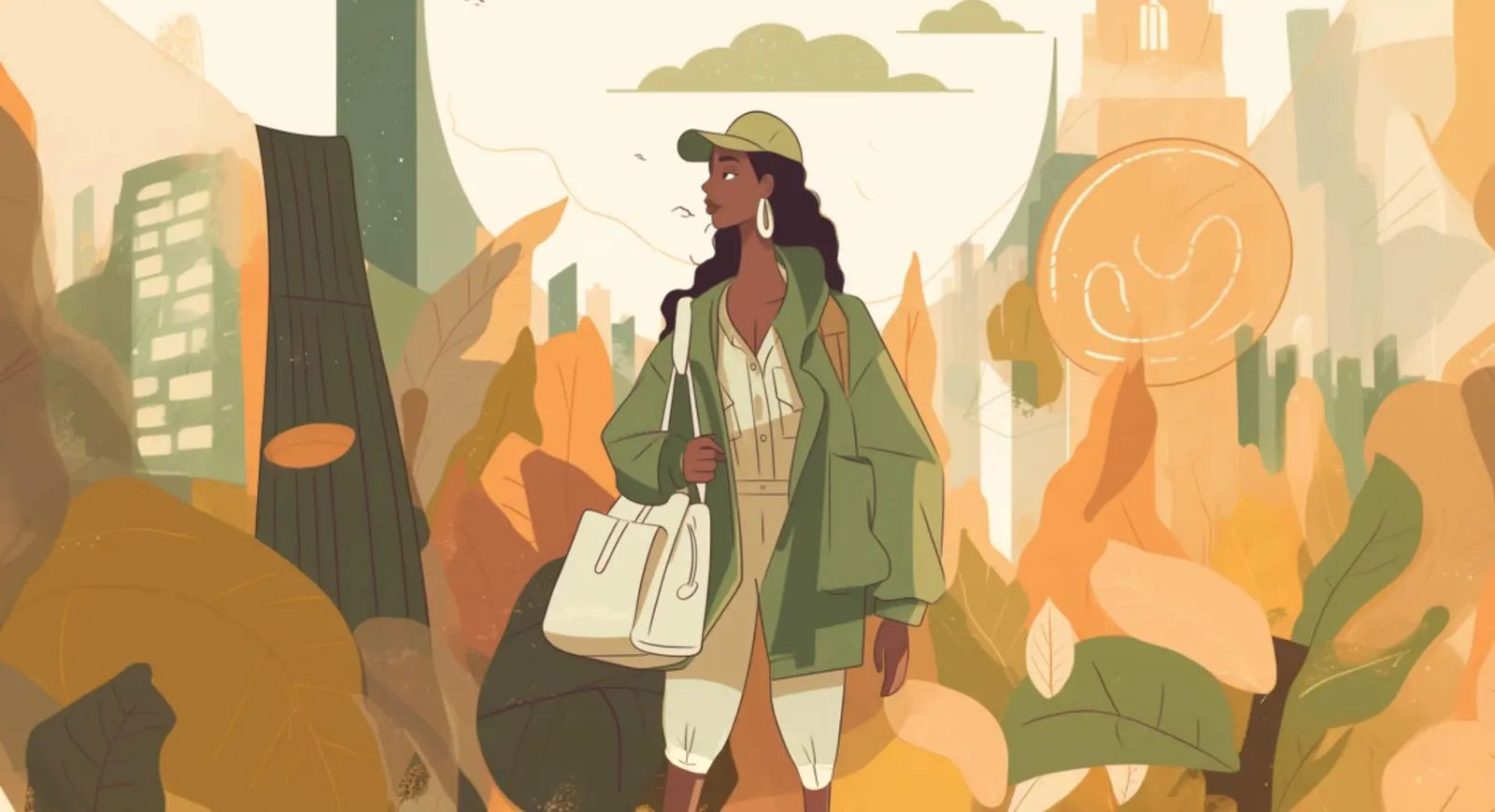
From fast to forward-thinking: Fashion’s pivotal shift towards sustainability
We’re living in a time where clothing production has surged to unprecedented levels—and it has no sign of slowing.
Whether we’re frugal consumers, closet shopaholics, or avid lovers of a sale, to some degree we are all contributors to the turbulent world of fashion.
What’s regularly under-reported however, is the alarming reality that the industry is solely responsible for a staggering 10% of global CO2 emissions, surpassing the combined emissions of international flights and shipping.
Yet looking at emissions data is only scratching the surface. As the global middle class continues to expand, the impending environmental consequences of our fashion choices loom large: the degradation of human labour rights; catastrophic levels of pollution and waste; and harmfully intensive farming practices.
It may sound extremist, but unless we fundamentally alter our production and consumption patterns, we’re on the brink of tipping our planet over the edge.
There is some good news, however. Consumer attitudes towards the origin and impact garments have on our world are significantly transforming the way in which we shop, which in turn is forcing brands to rethink their approach to how—and where—they source and produce the clothes they put on shop shelves. Business models are further playing a pivotal role in making fashion more sustainable, introducing innovative approaches that prioritise environmental and social responsibility over the old “profit at any expense” mantra that has dominated the growth of fast fashion over the past decade.
For many brands, this has meant shifting towards a “circular fashion” business model, which promotes longevity by designing durable products, offering repair services, and facilitating take-back and recycling programs. Adopted by brands such as Patagonia and Finisterre, the approach aims to reduce waste, encourage responsible consumption, and minimise the need for creating yet more new products.
As well as looking at the durability of their products, brands are also re-evaluating their supply chains to prioritise ethically sourced and sustainable materials, while others are taking further steps to explore regenerative agriculture and biomaterials as alternatives to traditional textiles.
For those looking for more hope, the good news is that these approaches are additive, meaning they can be combined to create an even more efficient and sustainable business practice, as more durable products rely on better quality, more ethical materials.
We’re thankfully at a point where becoming a more conscious, ethical and transparent business is not only a “nice” thing to do, but also has financial benefits and rewards. The rising consumer shift towards environmental and ethical issues—and the recognition of the fashion industry’s long standing association with poor practices towards both people and planet—is translating into where they spend their disposable income.
With the cost of living crisis, minimising the need for new production has become increasingly popular, as seen by the rise in popularity of both rental and secondhand platforms, popularised by companies such as Vinted.
By extending the lifespan of clothing and reducing the demand for new items, such models are helping to reduce the lifetime environmental impact of garments. Between 2016 and 2022, the secondhand clothing market in the UK grew by 149% and is forecast to keep rising by a further 67.5% heading into 2026, with outdoor brands such as Picture and Finisterre leading the way with their own resale platforms.
Ethical consumption is also going beyond the products themselves. As of January 2023, 81% of consumers are now demanding sustainable packaging as part of their purchase decision. As eCommerce takes a larger piece of the global shopping pie, brands are finding new and innovative ways to adopt environmentally-friendly packaging materials, which further minimise waste in the production and delivery stages of their supply chain.
Brands such as TALA are already using recycled packaging, plantable clothing tags and as of 2022, removed all packing slips for orders, which has removed 150,000 pieces of paper per year.
Some forward-thinking fashion brands are using their platforms for more than just selling clothing, and are becoming educators and advocates of sustainability to help further drive awareness and shape consumption habits.
By educating consumers about making more sustainable choices—from materials and production methods to responsible consumption—such brands not only empower individuals to make more informed purchases, but are also getting involved with their local communities and supporting the ecosystems that are right on their doorstep.
Dewerstone in particular have caught our attention with the amount of work and advocacy they do with the fellow residents of Devon—from beach cleans and litter picking, to campaigning to show their support to save wild camping on Dartmoor.
Moreover, many brands are actively advocating for systemic change within an industry that has changed little over the past hundred years, pressing for more transparent supply chains, ethical labour practices, and responsible environmental stewardship.
Through social media campaigns, workshops, and partnerships with environmental organisations, these brands are not only selling fashion but also driving awareness and inspiring positive action, further promoting a culture of responsible consumerism and sustainable living.
In short, sustainable clothing is no longer a preference, but an integral part of the modern wardrobe, driven by an evolving consciousness of our impact on the planet.
The changing world of fashion is a journey we are all taking, shaped by the shared belief that our choices really do matter, our voices are powerful, and a more responsible, environmentally-conscious, and equitable fashion industry is not only possible but inevitable.
As we step into this future, we must continue to have open hearts and minds, knowing that our collective efforts will create a fashion world that leaves a positive legacy—and a happier world—for generations to come.